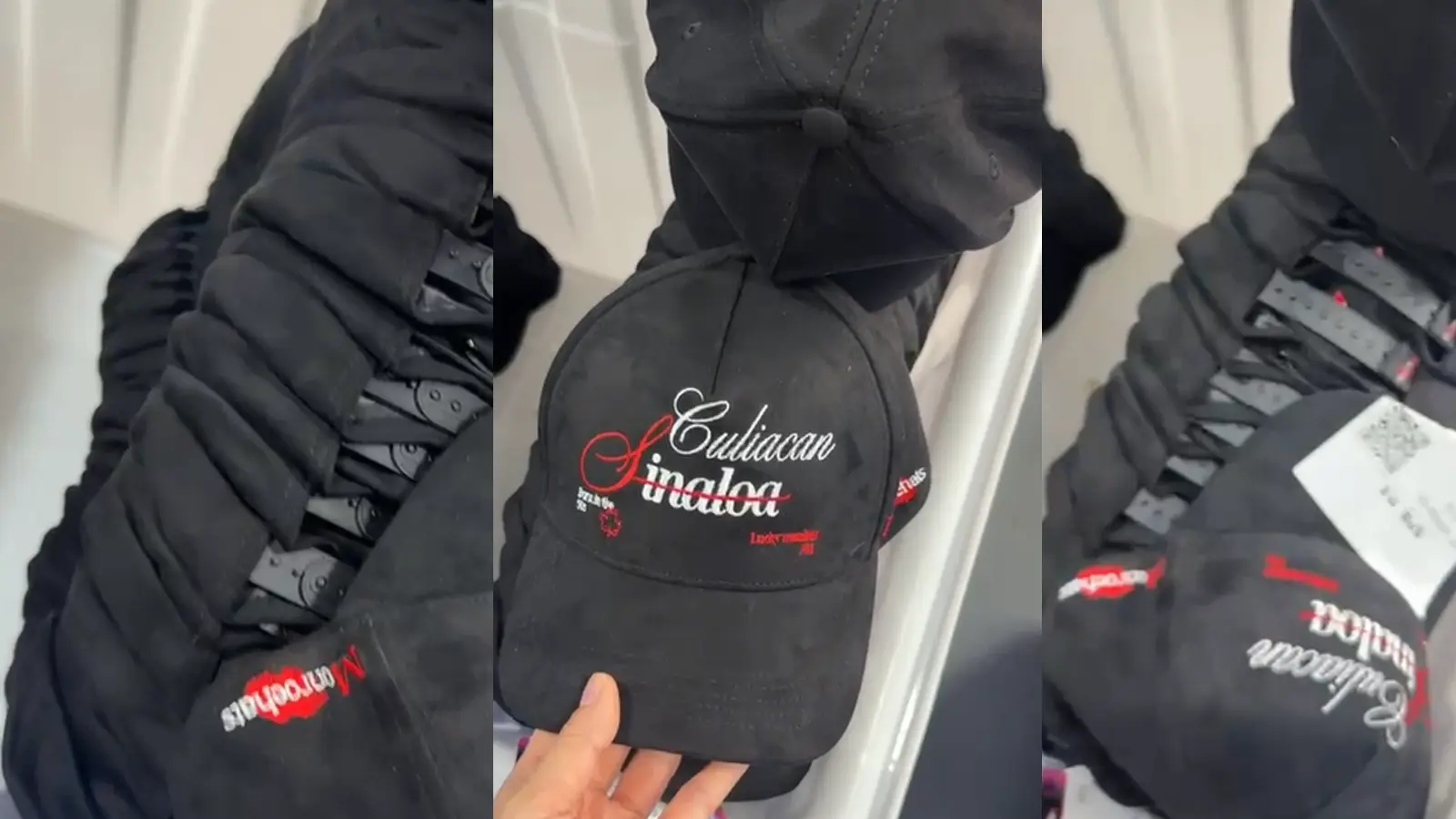
Flat embroidery and 3D puff are not the same thing with different height. They behave differently, they fail differently, and they fit different logos. If you choose the wrong one, the sample will tell you. Loudly. So let's choose before money gets burned.
Key takeaways
- Flat embroidery is more flexible for smaller details and cleaner text.
- 3D puff is best for bold logos, large letters and strong front-panel marks.
- Thin lines, gradients and detailed illustrations usually perform poorly in 3D puff.
- The best method depends on cap structure, logo complexity and desired brand feel.
Quick comparison
Flat embroidery is cleaner and more flexible. 3D puff is louder, more physical and more dramatic. Sounds simple. The problem is people try to use 3D puff on logos that should stay flat. Then the sample comes back looking swollen and messy.
The right choice depends on logo complexity, cap structure, viewing distance and brand signal. Small wordmark on a dad hat? Usually flat. Bold front logo on a structured snapback? Now 3D puff starts making sense.
Before choosing, ask three things: is the artwork bold or detailed, is the front panel structured or soft, and does the brand need a loud front or a quiet one? Those three answers usually solve the debate.
- Flat embroidery: secondary marks, small logos, detailed artwork
- 3D puff: bold front marks, thick letters, streetwear presence
- Patches: when artwork is too detailed for any direct embroidery
- Prints: when embroidery texture is wrong for the brand feel
When flat embroidery works best
Flat embroidery is usually the safer choice for small logos, side marks, back details and artwork with some detail. It sits closer to the fabric, so the cap stays cleaner and less bulky.
Do not confuse flat with boring. A monochrome flat logo on good fabric can look more premium than a giant raised logo on a cheap blank. Quiet can still be expensive.
Flat embroidery is also more forgiving in production. Threads sit flatter, small imperfections hide better in photos, and the method behaves more predictably across curved panels.
- Small wordmarks and secondary logos
- Side and back embroidery
- Detailed but simplified marks
- Tone-on-tone branding
- Minimal retail caps
Thread and texture
Flat embroidery lets thread color and sheen do the work. Matte, glossy, metallic: same logo, different feeling. You can change the whole signal without redrawing the artwork.
On corduroy, suede or textured fabric, flat embroidery can blend into the surface. Great if you want subtle. Bad if the logo needs to shout.
Preview the cap before sampling
Build the idea in 2D, check scale in 3D and use the preview as a clearer sample reference before production.
Open the 3D hat designerWhen 3D puff works best
3D puff works when the cap needs that front-panel punch. Bold letters, thick symbols, simple shapes. The height creates presence from a distance, and flat embroidery cannot really fake that.
But 3D puff is not forgiving. Thin strokes, tight corners, tiny counters: all of that can turn ugly once foam and thread get involved. 3D puff amplifies good artwork. It also amplifies bad artwork. Fair warning.
It also needs the right cap structure. Soft low-profile caps can collapse or wrinkle around raised embroidery. Structured front panels hold the shape much better.
Foam height and edge cleanup
Standard 3D puff usually uses 2 mm or 3 mm foam. More height looks dramatic, yes, but it also demands bolder artwork and cleaner edge coverage. Too much foam with too little thread creates visible foam edges. Not cute.
Ask the factory which foam height fits the artwork. If they always answer the same way no matter the logo, they are not really reviewing the design.
Logo details and text limits
Simplify the artwork before choosing the method. Gradients, hairline strokes, tiny serif text and tight spacing can look fine on screen and fail on a cap. Pixels lie. Stitches have rules.
For a first sample, make separate versions for flat embroidery and 3D puff instead of forcing one logo to do everything. Two simplified versions usually beat one ambitious file stretched across two methods.
Test the artwork at real cap size, usually around 70-90 mm wide on the front panel. A logo that looks sharp at 200 mm in a design tool can lose its soul at real scale.
Sample risks to check
The main risk with 3D puff: heavy, split, uneven, hard to read. The main risk with flat embroidery: too quiet, too small, not enough impact. Both are fixable if the sample review is honest.
Check height, edge cleanup, thread coverage, alignment and how the embroidery behaves across seams and curved panels. Bold 3D puff crossing a front seam is one of the most preventable sample problems. Prevent it.
Photograph the decoration from multiple angles and in different light. If the logo looks perfect in studio light and muddy in natural light, that is still a problem. Customers do not live inside your lightbox.
FAQ: 3D puff vs flat embroidery
Is 3D puff embroidery better than flat embroidery?
Not always. 3D puff looks stronger for bold front logos, but flat embroidery is usually better for small text, fine lines and detailed marks.
Can 3D puff be used on dad hats?
It can be possible, but softer low-profile hats are usually harder for raised 3D puff. Structured front panels normally hold puff embroidery better.
What logos should avoid 3D puff?
Logos with tiny text, thin outlines, gradients, detailed mascots or very tight spacing should usually avoid 3D puff and consider flat embroidery or patches instead.
Conclusion
Flat embroidery and 3D puff are not ranked from cheap to premium. They are tools. Flat embroidery wins when the logo has detail or sits on a secondary placement. 3D puff wins when the front needs presence and the artwork is bold enough to survive the raised effect.
Prepare the artwork first. Preview it in 3D. Then use the sample to confirm it still works at real cap scale. When the method, artwork and cap structure match, the logo feels built into the product, not slapped on top.
Preview embroidery in the CBOs 3D Editor