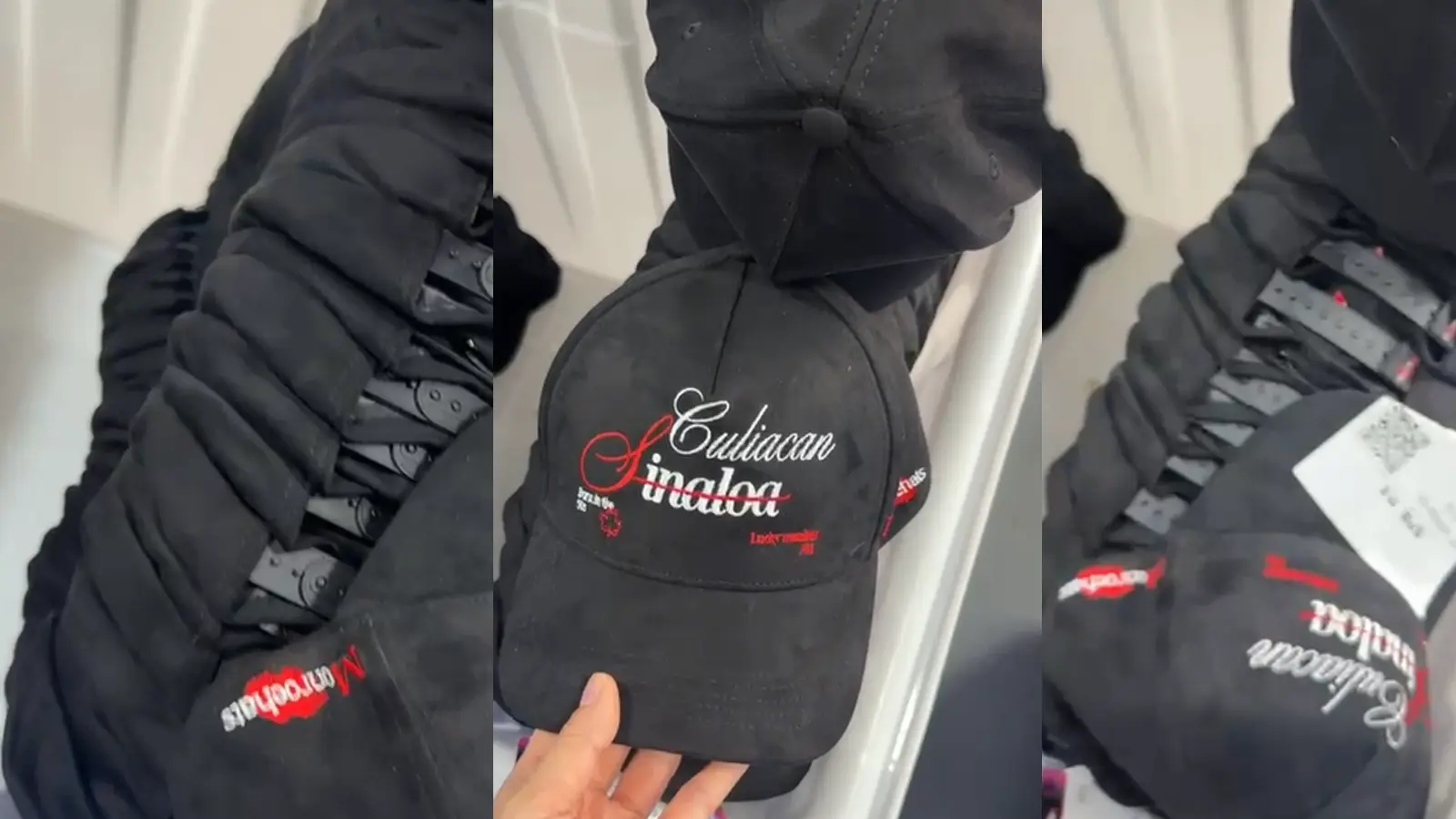
The sample is where your nice design either becomes a real product or starts exposing problems. Good. That is exactly what a sample is for. Before approving bulk production, check fit, material, decoration, labels, packaging and every detail that can become expensive later. Better to catch it now than cry over 200 finished caps.
Key takeaways
- A sample is not only for checking the logo; it validates fit, construction and decoration quality.
- Approval notes should be specific, visual and tied to measurable changes where possible.
- Bulk production should not start until the sample solves fit, material and placement concerns.
- Packaging and label details should be reviewed early, not after the cap is already produced.
What a custom hat sample should prove
A custom hat sample is not a logo check. Please do not treat it like one. It proves whether the design works as a physical product: fit, construction, decoration, stitching, labels, packaging, everything.
Compare the sample against the original brief, the 2D artwork, the 3D preview and the production goal. If something does not match, write it clearly. Not kind of bigger. Not make it nicer. Say what changed, where, and by how much.
Sample review is also a communication test. If the factory understood something wrong, the brief probably left too much open. Fix the brief now. It is cheaper than fixing another bad sample.
Document the reference set
Before you even judge the sample, put the references in one place: approved artwork, 3D preview, cap specs, previous sample photos, factory notes. Side by side. No archaeology inside WhatsApp screenshots.
A simple folder with five clear files beats a messy email thread every time. The factory notices when the brand is organized. And usually, the next round gets smoother.
Fit, crown and brim review
Fit and shape come first because people have to wear the cap, not just admire it on a table. Check crown height, front structure, brim curve, closure comfort and how it sits on different heads.
Take photos front, side, back, top and on-head. A cap can look perfect on a mannequin and feel weird on a real person. Yeah, annoying. Still true.
Fit problems are hard to fix late. If the crown is too shallow or the brim curve feels wrong, send it back. Approving a fit compromise now usually becomes returns later.
- Crown height and front panel shape
- Brim curve, brim length and brim stiffness
- Closure comfort and adjustability range
- Inside sweatband feel against the forehead
- Overall weight and front-back balance
Preview the cap before sampling
Build the idea in 2D, check scale in 3D and use the preview as a clearer sample reference before production.
Open the 3D hat designerEmbroidery, patch and decoration review
Decoration review answers one question: did the artwork survive production? Compare the physical cap with the approved mockup. Look for placement drift, thread color shifts, puckering, patch edges, unreadable details.
Small defects matter more on the front panel because that is where everyone looks first. A 2 mm shift on the side may be fine. A 2 mm shift on the front wordmark can make the whole cap feel cheap.
Check it twice: normal viewing distance and close-up photo. If the logo only looks good in one of those two, it is not ready for bulk.
- Placement centered to the cap, not just to the panel
- Thread color match against the approved swatch
- Edge cleanup on embroidery, patches and pins
- No puckering, no warping, no bald spots
- Decoration depth correct for the method (flat vs 3D puff)
Labels, closures and packaging
Labels, closures and packaging make the cap feel finished. Check inside labels, woven tags, hangtags, sticker placement, polybag or box, barcode, size info. These are not tiny details to the customer. They are part of the unboxing.
Easy to forget during design. Painful to fix later. A premium cap inside a generic polybag sends a weird signal. It says we cared until the last step, then gave up.
If you want retail, check compliance now: barcodes, country of origin, care labels. Not after bulk is printed. After bulk means re-tagging every unit by hand, and nobody wakes up wanting that job.
Compliance and retail readiness
Review care labels, fiber content, country of origin and barcode standards. Retail partners reject shipments fast. Faster than customers. So the compliance pass belongs on the final sample.
If you sell direct-to-consumer only, rules are lighter. But the product still feels better with a clean inside label, a hangtag that matches the mood and packaging that looks intentional.
How to write approval notes
Approval notes need to be so clear that nobody has to guess. Avoid make it better, move it a little, more premium. Those notes feel nice in your head and useless in production.
Use marked-up photos, numbered comments and a clear status for each detail: approved, revise or remove. Keep the format the same every round. Factories love patterns because patterns reduce mistakes.
Save every approval round. If bulk ships and something looks off, the approval history tells you fast whether it was a factory defect or a communication problem.
- Write one note per issue, not a paragraph
- Attach reference photos or annotated mockups
- Use exact placement language (mm, cm, panel names)
- Confirm which sample version is the approved reference
- Keep a final production checklist as the bulk-ready source of truth
FAQ: custom hat samples
Does a custom hat sample need to be perfect?
The first sample does not always need to be perfect, but it must reveal what needs to change. Bulk production should only start after the final sample direction is approved.
What photos should I take when reviewing a cap sample?
Take front, side, back, top, inside, brim, close-up decoration and on-head fit photos. Use consistent lighting so material, stitching and placement are easier to compare.
Can I approve production from a 3D render only?
A render helps clarify direction, but a physical sample is still needed for fit, material feel, construction, embroidery quality and real-world proportions.
Conclusion
Sample review usually predicts bulk quality. If you only look at the logo and say nice, you will miss the fit, the stitching, the label, the packaging and all the little things customers actually feel when the cap arrives.
Treat the sample as the last cheap moment to change things. Once bulk production starts, every mistake gets multiplied by the order quantity. Fun? No. Avoidable? Yes.
See how CBOs runs sampling and production